The Montgomery County Beekeepers Association
The Montgomery County Beekeepers Association (MCBA) is a membership group of over 500 hobbyist and professional beekeepers, centered in Montgomery County, Maryland. We are a 501(c)(3) and we take pride in helping the community in many ways, including providing free monthly lectures open to the public, beekeeper-speakers for your group, help with your unwanted honey bees, opportunities to buy local honey, etc.
- Why Bees Are Amazing
- Can you help the bees?
- Hosting Hives on Your Property
- About Honey
- Cooking with Delicious Honey
- Using Honey Instead of Sugar
- Buy LOCAL honey
- About beekeeping
- About Stings
- Honey bees versus yellowjackets (and other wasps)
- Contact us with questions
- Is beekeeping right for you?
- Request a Speaker for an Event
- Report a honey bee swarm
Why Bees Are Amazing
Honey bees are tiny marvels of nature, buzzing engineers whose tireless teamwork shapes the world around us. These amazing little creatures not only produce golden, delicious honey, they are the superheroes of global food production.
A single honey bee visits thousands of flowers in a day, gathering nectar to make honey or pollen to feed their babies, while (accidentally!) pollinating crops that make up one-sixth of the food we eat—from juicy apples to plump almonds. Scout bees go off to find the best sources. They return to do a "waggle dance" (SEE A WAGGLE DANCE HERE AND LEARN HOW BEES USE IT) that communicates to their sisters the direction and distance to the flowers. No other creature, besides people, can communicate this type of complex information. The teamwork inside the hive beats the efficiency of any human city.
Beyond feeding humans, honey bees support entire ecosystems, ensuring wildflowers can reproduce, plants thrive, and animals have good habitats. Without them, our plates—and the natural world—would look lose much of their variety. So, the next time you spot a honey bee hovering near a flower, remember: it’s not just buzzing around—it's keeping the whole ecosystem going.
Female Honey Bees Do Almost All The Work
The vast majority of all honey bees are sterile FEMALES. They...
Are appropriately called "workers"
Feed & defend the colony, raise the babies, build the comb, & more
Collectively visit 2-million flowers to make one pound of honey
Individually make only one drop of honey in their lifetime
Find nectar in flowers aided by ultraviolet vision
Navigate using the sun and landmarks
Use a dance-language to direct nest-mates to food sources
Would have developed into queens, if exclusively fed royal jelly
Keep the brood nest at 94°F, even in winter
Can you help the bees?
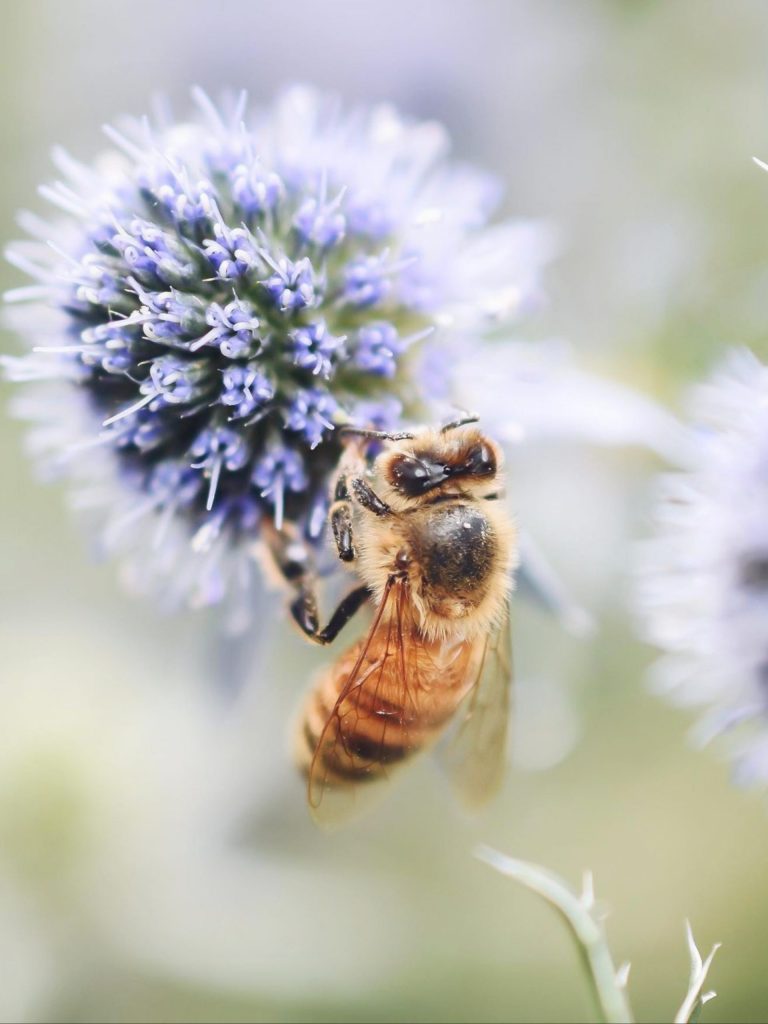
Yes you can help the honey bees! And the things you can do will help many pollinators. Here are some ways to help:
- Go native — Plant native flowering bushes, shrubs, and trees that thrive in your local environment. They are great sources of nutrition for honey bees and native pollinators, including bumble bees, butterflies, hummingbirds, and many more. LEARN MORE.
- Don’t poison — Don’t blanket spray your yard to get rid of mosquitoes. It does harm to lots of pollinators, including honey bees. LEARN MORE.
Your actions will also help native pollinators, birds, plant life, and wildlife in general, so there’s a big payoff.
Hosting Hives on Your Property
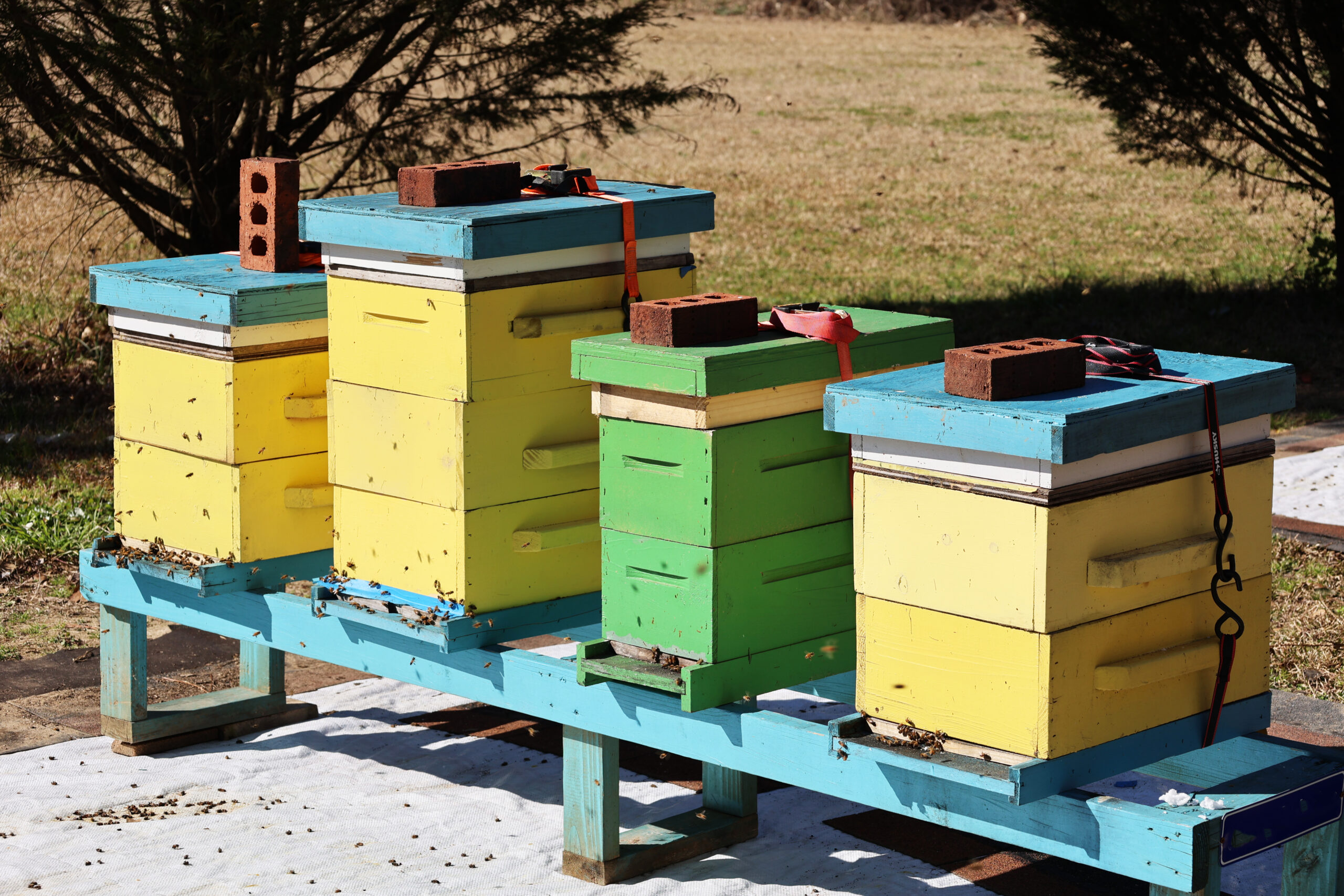
Maybe you don't want to be a beekeeper yourself, but you're interested in hosting hives on your property. It's a great way to learn about beekeeping, and get some super-local honey. We maintain a list to help you see if a beekeeper in your area needs a little space to place some hives. LEARN MORE
About Honey
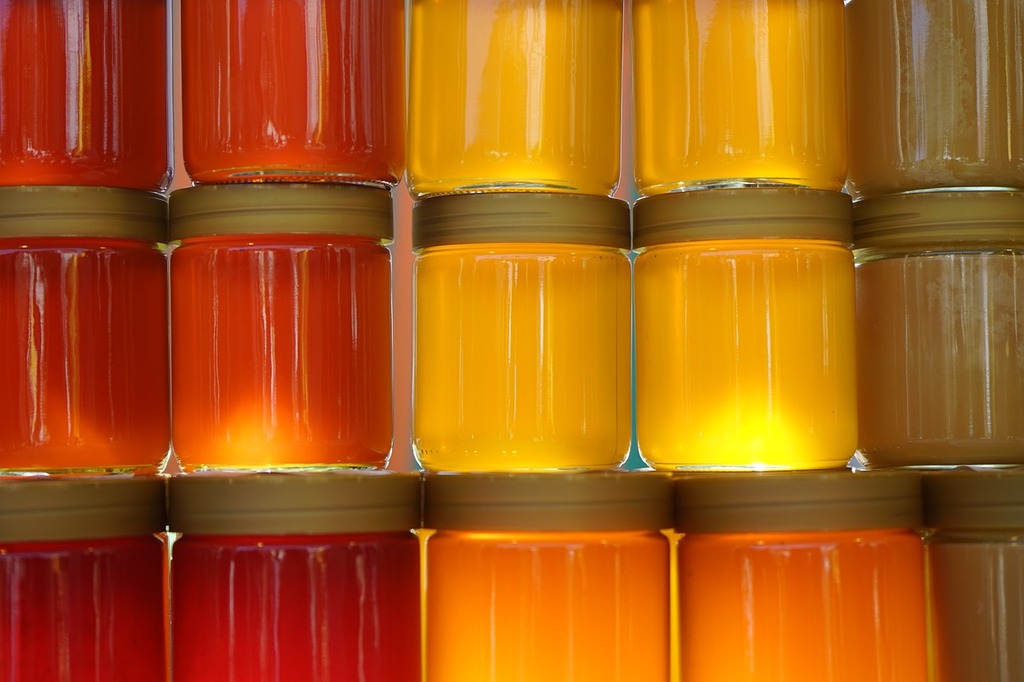
How Bees Make Honey
Bees make honey out of nectar they collect from flowers. They add enzymes to the nectar and dehydrate it from about 80% water down to 18%! They store the honey in the thousands of small hexagonal cells they make out of wax, and put a wax cap over each cell of honey to keep the moisture out.
Why Bees Make Honey
Unlike most insects, honey bee colonies stay alive year-round, even when there are no flowers to provide food. Their secret is to amass stores of honey and pollen in their nest - enough to last until the spring flowers reappear. They actually produce way more honey than they need. This lets beekeepers take some of the excess honey without impacting the honey bees.
Why People Like Local Honey
It tastes great! Is a natural sweetener. Honey doesn't spoil because its low water content and is acidity don't let bacteria and fungi grow. If stored in a sealed container, honey is shelf-stable and does not need to be refrigerated. In fact, cold temperatures speed up crystallization - when liquid honey becomes thicker and "cloudy".
Is 'Cloudy' Honey Still Good?
Yes! Gradual crystallization at room temperature is a sign that honey is authentic, and hasn’t been overheated during the bottling process. Most real, raw honey will show signs crystallization in the weeks or months after purchase. The taste and quality are the same, it just has a slightly different texture.
How to Re-Liquify Local Honey
If your honey crystalizes, but you prefer it to be liquid, no problem! You can melt the crystals by gently warming the honey to 110°F (43.3°C) right in its tightly sealed glass jar. It will take 15 minutes to a couple hours, depending on the size of the jar. Pro Tips: 1) Never boil or microwave honey because it will get too hot and could diminish the honey's taste and beneficial properties. Plus, if it is in a plastic container, the jar will melt into a big mess! 2) If you have an InstantPot or similar appliance with a sou vide setting, you can very accurately control the water temperature. 3) Many people just use crystallized honey as-is -- it's easier to spread, and readily melts in tea.
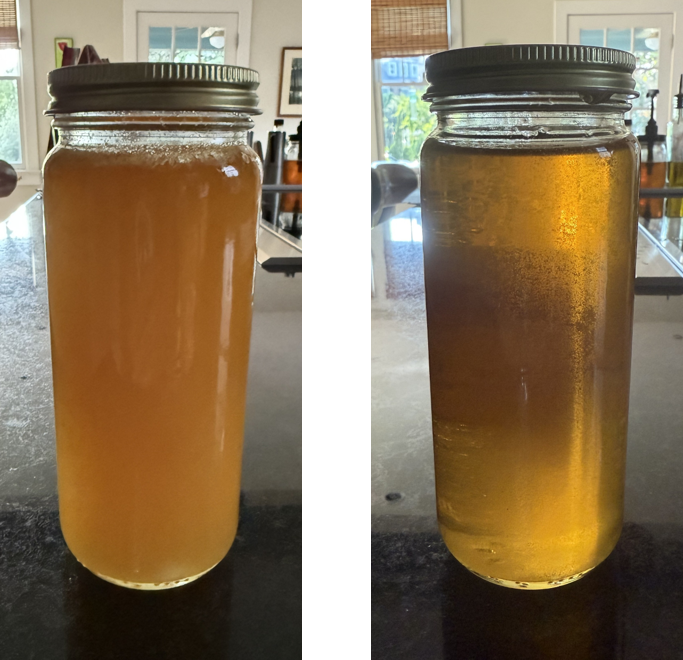
This jar was put in an oven with only the oven light on, no other heat, and left overnight to decrystallize
Four Forms of Local Honey
- Liquid Honey
- Whipped Honey (sometimes called "creamed honey", but honey is the only ingredient
- Chunk Honey
- Comb Honey
When Can Babies Start Eating Honey
Children under a year old do not have fully developed digestive systems. That's why we sterilize baby bottles, keep pacifiers clean, and wash hands - so babies don't ingest germs their small bodies may not resist. One of those germs is the botulism spore. Botulism spores are everywhere around us, including in the soil and dust (CDC), and on foods. (This is why home canned foods need to carefully processed). Sometimes, a miniscule number of spores get in honey. This is why why medical professionals recommend honey for people ages 1 to 111, but honey is not for babies under one, not even a small taste.
Cooking with Delicious Honey
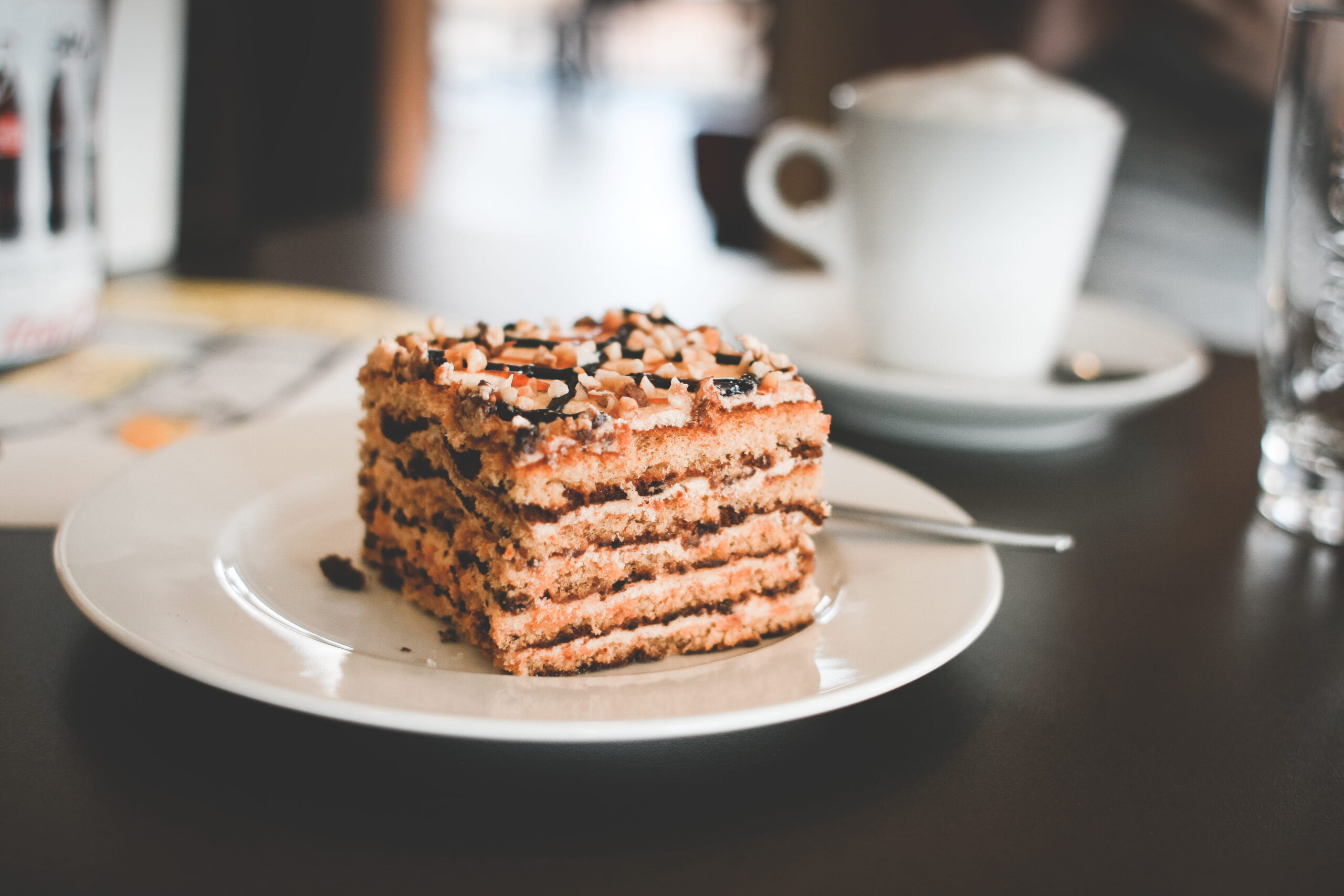
Honey is a great sweetener and is a terrific substitute for sugar in your food. There are myriad great honey-using recipes you can find. This page offers some you might like to try that we love.
Using Honey Instead of Sugar
You can substitute honey for sugar in many recipes. Honey is sweeter than sugar, so you will use less. For example, substitute 1 cup of sugar with 2/3 cup of honey. Honey has water in it, so you will decrease other liquids in the recipe by 1/4 cup.
Maryland Master Beekeeper Val Wampler did the kitchen research to determine how to substitute honey for sugar in baked goods. At the link below are instructions and a conversion table you can use to substitute honey for sugar in many recipes.
Buy LOCAL honey
LOCAL honey is the best honey!
Many honey enthusiasts use the most local honey they can get, touting its proven and purported health benefits, among other things, in reducing seasonal allergies. Allergy relief is not scientifically-proven, but honey has been scientifically-proven to help with sore throats and wound healing, among other benefits.
A number of MCBA members sell local honey directly to customers, or place it for sale at farmers’ markets in the area. Each August, the club has a honey sales area the Montgomery County Agricultural Fair, where you can taste and buy local honey from MCBA members.
VISIT HERE for to find local honey near you.
About beekeeping
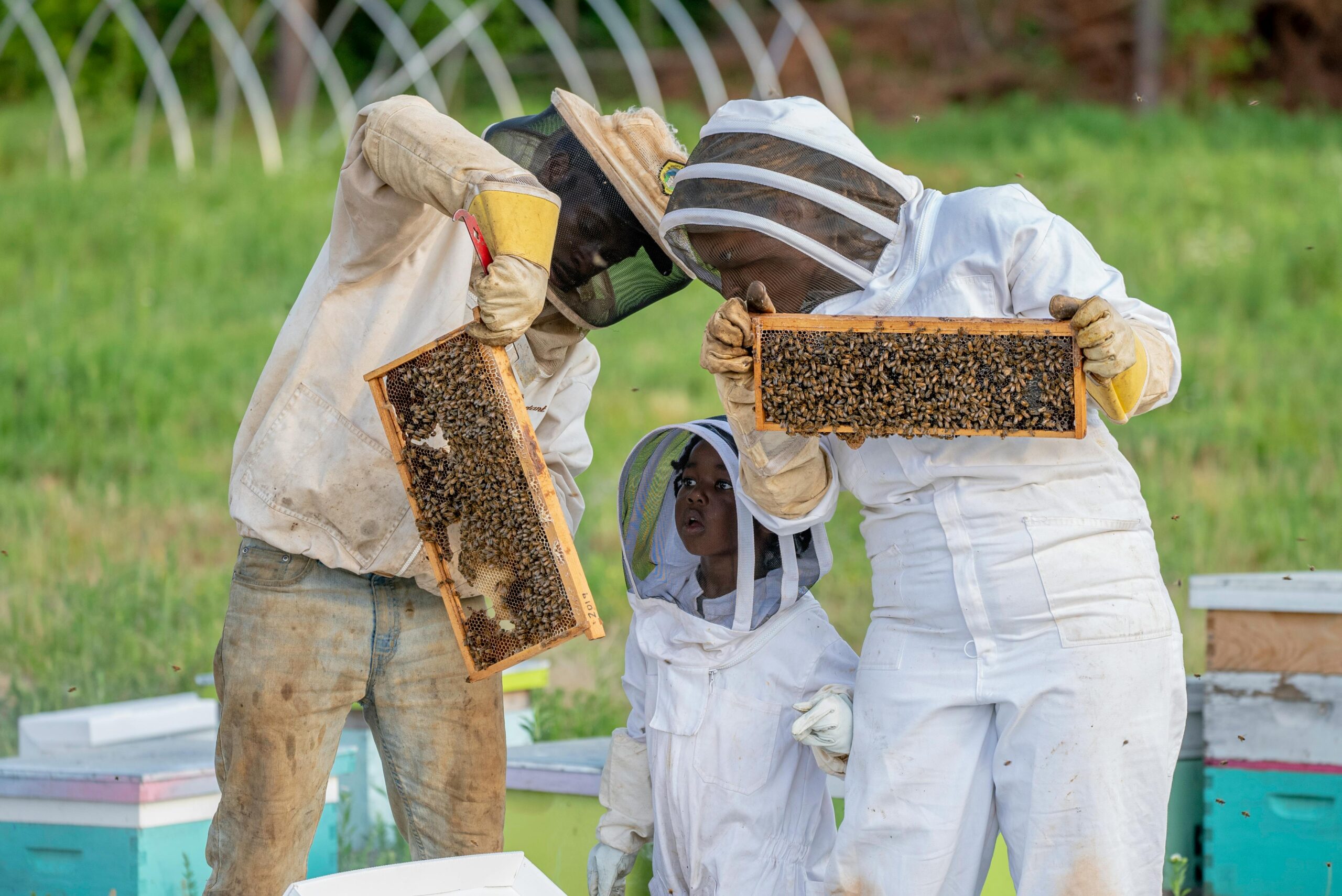
Managing bee colonies means monitoring their need for space, assessing the presence of diseases and pests, and treating those, and ensuring the colony is prepared to survive through the winter, among other things.
Beekeeping is the management of honey bees in hives—artificial homes that usually consist of boxes with movable frames inside. Bees construct wax combs on those frames, where they raise their young and process and store honey, which they make from the nectar of flowers.
About Stings
People often use ‘bee’ as a generic term. For example, “I got stung by a bee”. This gives honey bees a bad rap because bees are rarely defensive. Wasps are very aggressive, and more likely to sting. In any case, an insect sting happens so fast you probably won't have a chance to identify the culprit. So try not to slander bees :-)
The Cleveland Clinic has these suggestions for insect stings:
- Promptly remove the stinger if it’s sticking out of their skin. More toxin gets released the longer it stays in, which can worsen symptoms.
- Wash the area to reduce the risk of infection.
- Apply ice, which can help minimize pain and swelling.
- Use calamine lotion or hydrocortisone cream to ease itching.
- If swelling lingers, talk to your pediatrician about giving your child an antihistamine. An over-the-counter pain reliever also may help if symptoms persist.
When to see a Doctor, according to the Cleveland Clinic
For a small percentage of people, a sting can cause anaphylaxis, a severe, life-threatening allergic reaction throughout the body. Anyone could experience anaphylaxis, but those with allergies and asthma are at higher risk.
If you or someone nearby starts showing symptoms of anaphylaxis, go to a doctor or call 911. Anaphylaxis is an emergency. It includes these symptoms in response to an insect sting:
- Fainting.
- Hives or rash.
- Chest tightness.
- Difficulty swallowing.
- Wheezing or trouble breathing.
- Stomach cramps, vomiting or diarrhea.
Honey bees versus yellowjackets (and other wasps)
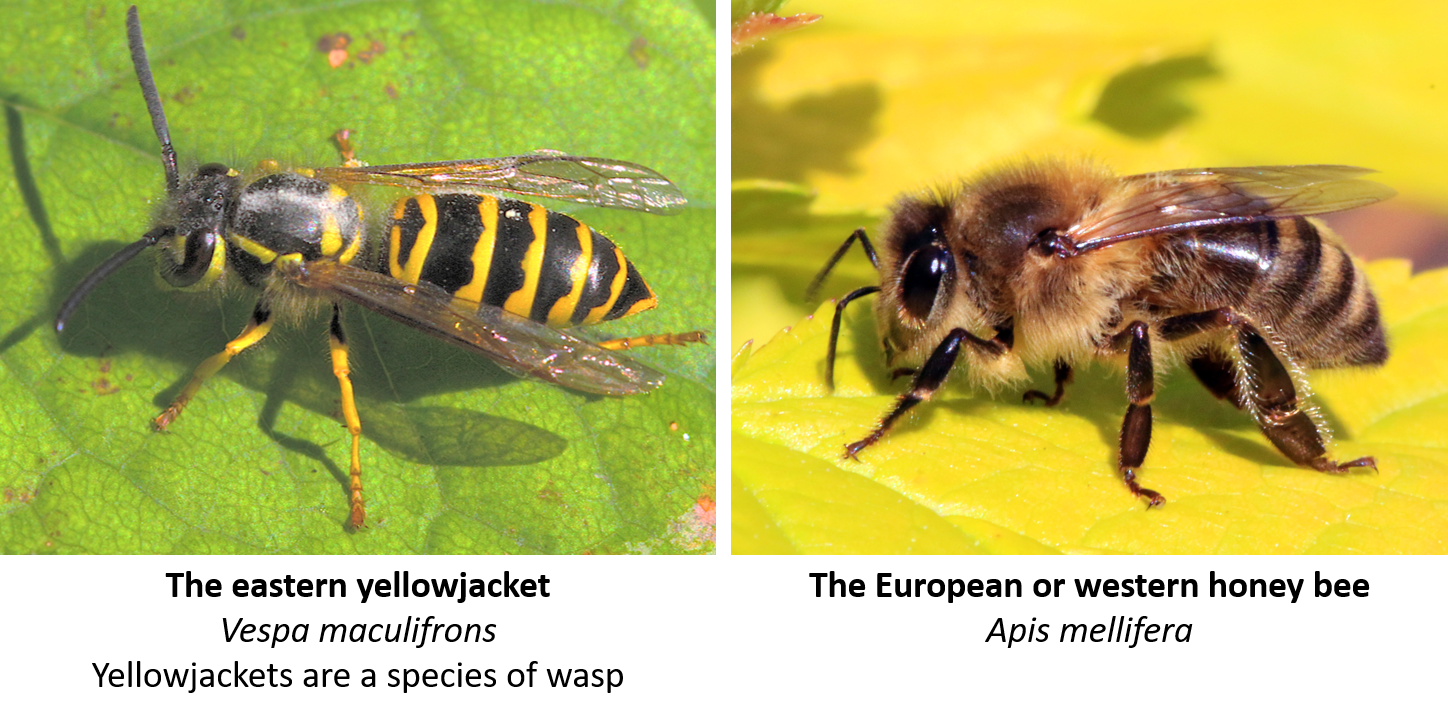
People often confuse honey bees and yellowjackets. You can see the difference in the pictures above. Honey bees are fuzzy, with varying golden-brown banding. Their fuzz helps them collect pollen. Yellowjackets are sleeker, shinier, have more vivid yellow-and-black bands, and their wings extend the length of their bodies.
Area beekeepers established MCBA to teach beekeeping skills to enthusiasts, and to benefit the community through related outreach about honey bees.
The club has its roots in the 1990s, when local beekeepers – many of them involved in the Montgomery County Agricultural Fair – started sharing information about their bee yards and apiary experiences. The Club became official in 2010, when it was incorporated as a non-profit. Since then, the all-volunteer organization has grown steadily in its membership and activities. LEARN MORE.
Contact us with questions
Do you have a question for MCBA? Drop us a message, using THE FORM HERE.
Please note, this is not the way to alert us to a honey bee swarm. For that, please go here.
Is beekeeping right for you?
Are you interested in beekeeping? MCBA offers an introductory class each year for people interested in becoming beekeepers. As a free, prerequisite for the class, we ask people to first attend or view a webinar, “Is Beekeeping Right for You?”. If you have a rising interest in becoming a beekeeper, we urge you to watch the RECORDING HERE.
Request a Speaker for an Event
MCBA volunteers do outreach events to tell adults and children about bees, beekeeping, and pollinators throughout the county. Club members may be available to speak at your event or school, and may even be able to bring an observation hive so your group can see bees in action.
For more on requesting a speaker, VISIT HERE.
Report a honey bee swarm
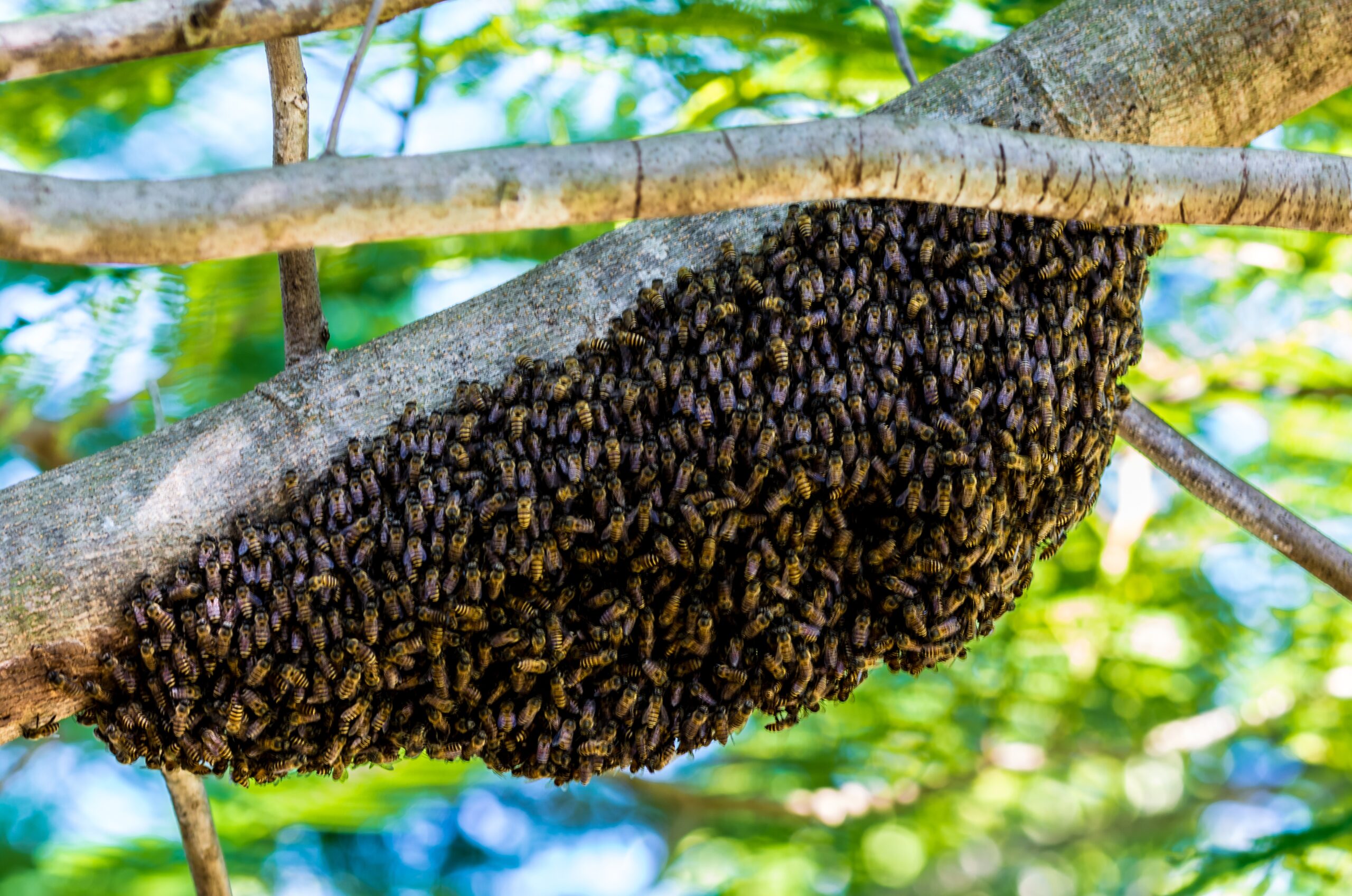
If you see a large mass of insects like the one pictured, clumped on the branch of a tree or on bush or on a fence, or sign post, etc., they could be a honey bee swarm.
A swarm is a mass of thousands of honey bees, not just a few bees milling around. Swarms are bees on their way to a new home. They are taking a brief rest while scouts look for the perfect nest site in a hollow tree or similar cavity. In most cases, they will be gone in a couple hours or a couple days, however long it takes to vote on a new home location. (Yes, vote! They have their own form of democracy for whole-hive decisions. For more on this, VISIT HERE).
Please don’t disturb or try to get rid of a swarm. Please do contact MCBA using our online form. We will quickly dispatch a volunteer beekeeper to take the bees away and give them a proper new home. That benefits you, the bees, and the beekeeper.
For what to do to report a swarm, VISIT HERE.