What is the BEE Impact FUND
B.I.F. MISSION STATEMENT: To support the work of a person or organization that positively impacts honey bees in Montgomery County. A nominee’s reach may be broad, but should have a local benefit.
ANNUAL EVENT: Funds are raised from members and friends of MCBA and are awarded annually.
Milestones
| Amount | Donors |
|---|---|
| $1+ | 3 |
| $25+ | 2 |
| $50+ | 18 |
| $100+ | 24 |
| $500+ | 2 |
| Total | 49 |
Donations so far: $5,518
Celebrating Our Donors
Thank you to everyone helping this fundraiser grow.
- Kristy Baker
- Balasat Balamon
- Scott Burian
- Antoinette Burnham
- Adam Chaikin
- Margaret Chang
- Georgia Dabinett
- Carla Dinowitz
- Paola Domenge
- Lillian Dote
- Eric Eicher
- Rachel Epperly
- Shari Frank
- Kim Guillemette
- Peter Harmatuk
- Charles Harr
- Malin Haugwitz
- Heidi Hayes
- Marian Iannuzzi
- Gail Ifshin
- Jed Jaffe
- Margo Kabel
- Veronique Kessler
- Lori & Dan Kikuchi
- Frank Linton
- Elvita Lobo
- Eric Malcolm
- Justin Maness
- Holly McClain
- Mary McQueen
- Alex Mulholland
- Rick Nidel
- Laura Paye
- Kimberly Pfirrmann-Powell
- Phil
- Shamet Qejvani
- Elaine Rodrigues
- Trinidad Sensenig
- Shannon Strom
- Sydney Sutton
- Kay Taub
- Christopher Taylor
- Barry Thompson
- Judith Treible
- Richard Wallace
- Valerie Wampler
- Tracy Waterman
- Heather Watts
- Bonnie Zimmer
Past Recipients - Awards
2025 ($16,873)
Molly Carlson, North Carolina State University, Increasing queen acceptance using scent signals
2024 ($15,000)+
Sam Droege, US Geological Survey for his work on studying native bees and honey bees and their use of local forage sources
2023 ($16,000+) -
Mission Beelieve, Educational and Therapeutic Beekeeping Training for First Responders and Veterans, Therapeutic Bee House Project
2022 ($7,500+)
University of Maryland Bee Squad, general operating support, "Bringing Science to the Bee Yard"
2021 ($5,000+)
Zachary Lamas, Researcher, creation of "nano-colonies" for honey bee research projects that include the effects of pesticides on honey bee queens and the feeding behaviors of the varroa mite parasite.
2020 ($3,500+)
Samuel Ramsey, Researcher, project in Thailand to study the Tropilaelaps mite
Past Recipients - Details
(Previously named B.I.G. - Bee Impact Grant)
2025 B.I.F. recipient: Molly Carlson
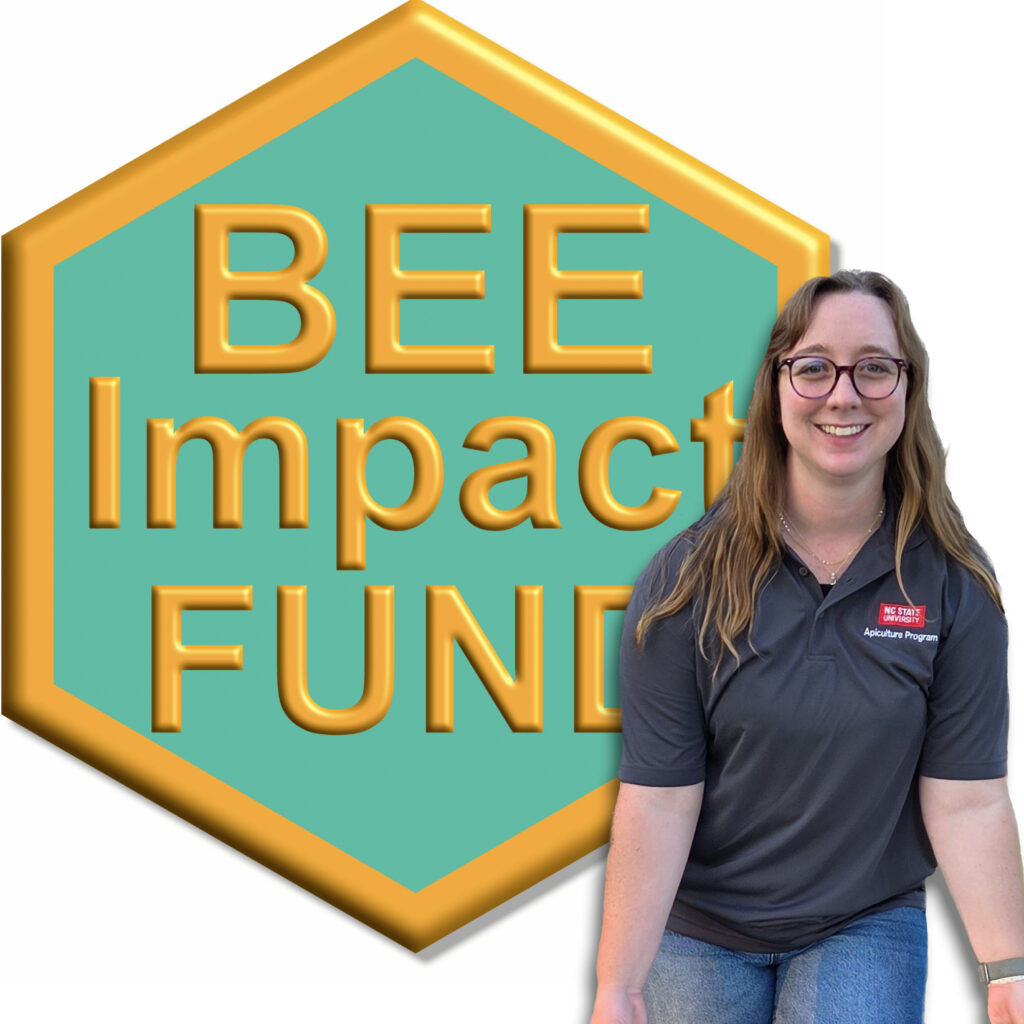
Molly is a graduate student and researcher at North Carolina State University, working for the internationally known bee researcher, Dr. David Tarpy. She has previously worked at two USDA-ARS labs, but she is also a long-time hobbyist beekeeper, and is one of the youngest beekeepers to receive certification by the North Carolina Master Beekeeper Program. (see TV report about this!) So, underneath her careful research, she is one of us, and knows the pain of queen acceptance failure.rchers around the world on how to track and monitor bees. This is critical work because “to know the status of bees you must find and count them.”
HOW will Molly use the grant?
Every time beekeepers requeen a colony or install a package, there is a risk the workers will kill the queen. We need a consistently safe way to introduce queens. It will help our colonies and our wallets (queens are expensive!).
Molly thinks the solution to new queen acceptance may involve adding pheromones, which are chemicals bees use to communicate with each other. With financial support from MCBA’s 2025 Bee Impact Fund, Molly will test two pheromones which are produced by larvae, and are known to control other bee behaviors.
WHY is Molly's work important to beekeepers?
If she finds these pheromones play a role in queen acceptance, then beekeepers may one day add a drip or two when they introduce a new queen – just like we add a different pheromone to swarm traps to convince swarms ‘this is a good place to call home’.Molly will research chemical signals produced by larvae, called brood pheromones, and their role in convincing worker bees to accept a new queen.
MCBA’s Bee Impact Fund will help pay for special video equipment to document and closely examine bee responses, testing equipment, expendable lab supplies, many specialized cages for observation, intern support, bee colonies, and the more than 90 queens needed to carry out this study – Remember, for each test where the queen is not accepted, there will be one fewer living queen to re-use in the next test!
2024 B.I.G. recipient: SAM DROEGE

Sam is a Wildlife Biologist at the Eastern Ecological Science Center, a division of the U.S. Geological Survey. WHAT does Sam do? From his offices and field lab in Laurel, Maryland, Sam advises researchers around the world on how to track and monitor bees. This is critical work because “to know the status of bees you must find and count them.”
HOW will Sam use the grant?
Sam’s professional wishlist includes researching which flowering bushes and shrubs best support bees. MCBA’s Bee Impact Grant will fund this pilot program, to be conducted in Maryland and Washington, D.C. The methodology developed during this project will be given to researchers and citizen-scientists in other locations, so we can better understand plant-bee relationships globally. One goal of this new project is to list various flowering bushes and shrubs in one of 4 general categories, based on their level of nectar and/or pollen support bees. LEARN WHICH PLANTS: * Support no bees * Support honey bees but not native bees * Support native bees but not honey bees * Support both honey bees and native bees To determine if and when plants in our area help bees, Sam will use his B.I.G. funds to hire and train a lab assistant. The lab assistant will visit the National Arboretum in D.C., and the Germplasm Center Research Lab, in Beltsville, to capture, catalog, and count bees, while recording on which plant the foragers were found. The collection process will continue all spring, summer and fall of 2025, since plants blossom at different times.
WHY is Sam's work important to beekeepers?
- Local beekeepers and gardeners can use the findings to make wise planting decisions, and can confidently enlist friends and family to choose bee-friendly plants. For example, the very beautiful double petal cherry tree cultivar is virtually useless to bees. We’ll also be able to choose the correct mixture of plants, to ensure beneficial blossoms appear in spring, summer, and fall.
- Recently, beekeepers and honey bees have been in the news, accused of negatively impacting native bees. Sam’s lab develops the tools researchers need to investigate this, and they are discovering that honey bees and native bee species “can live together nicely.” With Sam’s research, we can learn which trees and shrubs to plant to provide more resources for our bees and native bees.
MORE on Sam:
Sam’s lab has collected 650,000 bee specimens, including 11,648 honey bees. He photographs select bees with special equipment that captures astonishing, microscopic detail. All his photos are public domain, You can download and use them however you like at: http://www.flickr.com/photos/usgsbiml/ The collection of Maryland bee photos is https://www.flickr.com/photos/usgsbiml/collections Learn more about Sam’s Lab: https://www.usgs.gov/centers/eesc/science/native-bee-inventory-and-monitoring-lab You can also see a wonderful short video about Sam and his lab at https://www.usgs.gov/media/videos/usgs-native-bee-inventory-and-monitoring-lab-eastern-ecological-science-center Sam’s profile page: https://www.usgs.gov/staff-profiles/sam-droege
Photos of Sam's Research - taken by field researcher Allegra Marcell
Click HERE to see photos of this work
2023 B.I.G. recipient: MISSION BEELIEVE
The Montgomery County Beekeepers Association chose Mission Beelieve because their amazing programs use honey bees to help active and veteran military, and first responders overcome PTSD. We are particularly excited to help fund the construction of a brand new THERAPEUTIC BEE HOUSE.
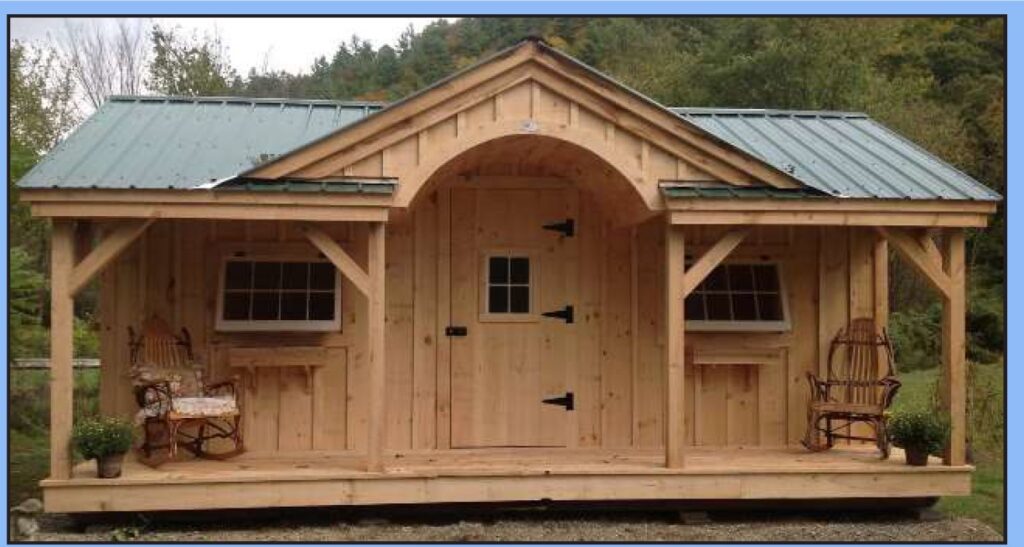
Therapeutic Bee
House
Your donations will help Mission Beelieve create a
THERAPEUTIC BEE HOUSE
to help
Active Duty and Veteran Military & First Responders.
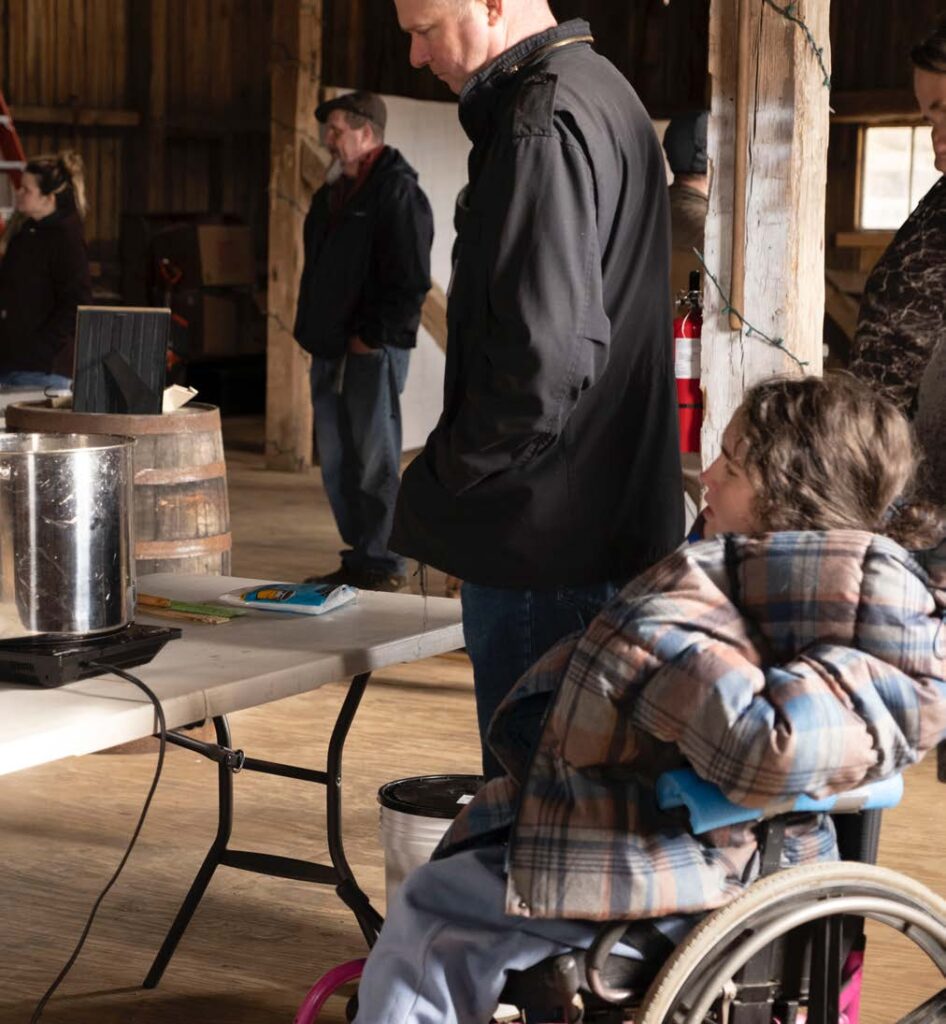
The bee house is specially designed to
allow people with physical
challenges experience the
wonders of beekeeping.
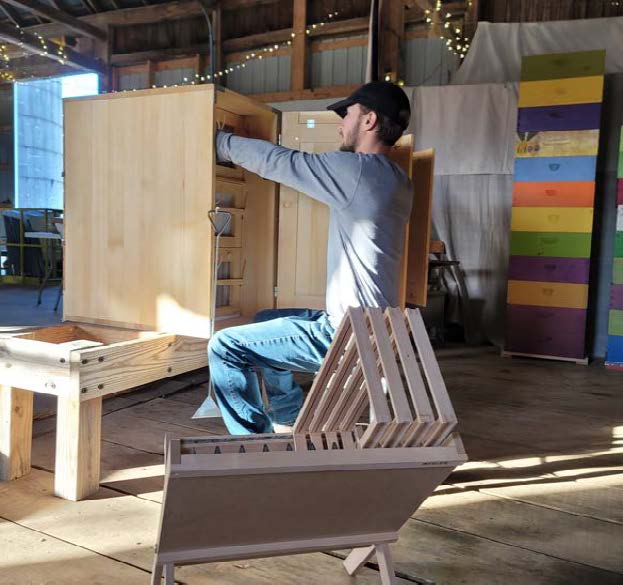
Beekeepers access the
bees through a door, and can
inspect the colony
without lifting heavy equipment.
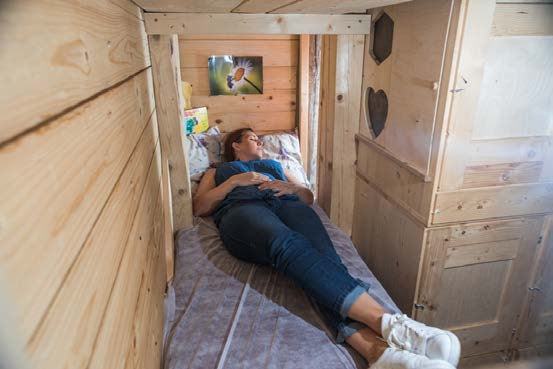
The Mission Beelieve BEE HOUSE will also provide a therapeutic retreat.
BREATHING BEEHIVE AIR can help with anxiety, migraines, and pain.
HEARING BUZZING BEES relieves stress -- the sound is the same frequency as a calming blanket.
2022 B.I.G. recipient: UMD BEE SQUAD
The Montgomery County Beekeepers Association chose the University of Maryland Bee Squad because it is "dedicated to bringing science to the bee yard by providing educational opportunities to beekeepers."
The UMD Bee Squad will use MCBA's Bee Impact Grant (B.I.G.) to help fund two ongoing projects that will greatly benefit Maryland beekeepers:
1) The UMD Bee Squad is compiling "Best Management Practices" guidelines tailored for our region. Beekeepers know that management methods that work well in other parts of the country may or may not work well in Maryland. The UMD Bee Squad is collecting and analyzing data from local apiaries to methodically determine the best approaches to keep our colonies thriving when assaulted by parasites, diseases, and other challenges.
2) The UMD Bee Squad is building an online library of insightful photos and instructional slides. The library is available to all Maryland beekeepers, whether they are a beekeeping teacher compiling a class presentation, or a beekeeper seeking authoritative answers. Education is key to every beekeeper's success.
The UMD Bee Squad’s coordinator is Mark Dykes. He is a driving force, and he knows bees. Beekeepers know him through his many presentations at club meetings, his hands on teaching program “Afternoons in the Apiary”, and his eagerness to answer our endless honey bee questions. Mark's leadership assures us that supporting the UMD Bee Squad is a solid investment that will benefit beekeepers for years to come.
2021 B.I.G. recipient: ZAC LAMAS
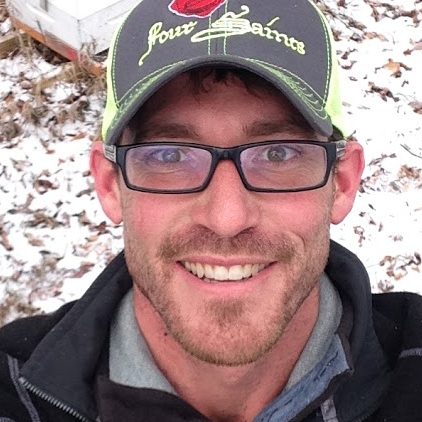
2021 B.I.G. Recipient
MCBA wanted to help Lamas expand his scientific endeavors, and build on his recent breakthrough -- a revolutionary queen rearing technique that makes new kinds of research possible. Honey bee research projects are already benefiting from Lamas’ technique, including his own investigations on the effects of pesticides, and on feeding behaviors of the varroa mite parasite.
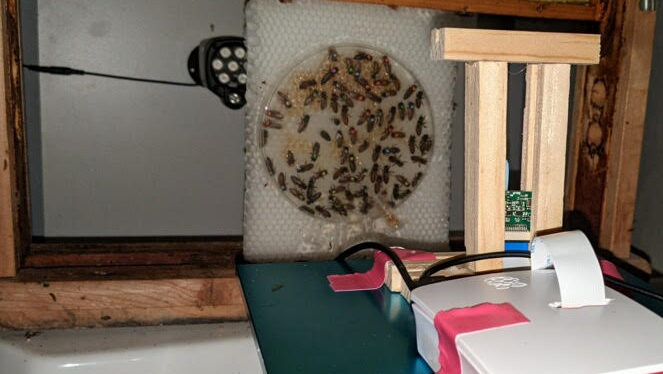
Zac's nano-colony ACCOMPLISHMENTS: Lamas’ method produces queens with only 100 bees (instead of thousands) in artificially tiny “nano-colonies”. It is all done indoors, in a completely close d environment, allowing researchers to isolate each factor that affects a honey bee and study them one at a time. Now, research that’s impossible to conduct in the field, can be performed in the lab, while still keeping colony-like settings. The method costs pennies on the dollar compared to traditional field trials. Zac's ingenuity and track record make him a perfect investment, one which will ultimately benefit our bees and all beekeepers. Thank you for supporting Lamas’ incredible work at the University of Maryland’s Hawthorne Lab.
2020 B.I.G. recipient: Dr. SAMUEL RAMSEY

2020 B.I.G. Recipient
Dr. Samuel Ramsey will be MCBA’s 2020 Bee Impact Grant recipient. He is a world renown bee scientist who has already rewritten text books with his important discoveries. The grant will directly support his much needed research into a deadly bee parasite…
Dr. Ramsey says “Varroa is the greatest single driver of the global honey bee health decline.” However, he sees something even more deadly heading our way. The Tropilaelaps mite. It breeds even faster than Varroa, and can outnumber Varroa in a hive 25 to 1. Remarkably, US agencies are underfunding Tropilaelaps mite research because the mites haven’t yet landed here from Asia. But clearly, they will, just as Varroa did. And Dr. Ramsey wants to be ready for the invasion. This is why MCBA wants to support Dr. Ramsey’s research with our 2020 Bee Impact Grant.
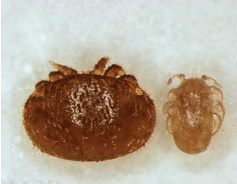
We are completely confident Dr. Ramsey will make good use of the grant, because he first grabbed our attention when his research overturned “common knowledge” about Varroa destructor mites. The parasitic mites don’t feast on bee blood (hemolymph) as scientists believed for 50 years. Dr. Ramsey proved that varroa mites eat bees’ fat body tissue. Fat body is "a tissue integral to proper immune function, pesticide detoxification, overwinter survival, and several other essential processes in healthy bees.” Dr. Ramsey’s work “provides a path forward for the development of novel treatment strategies for Varroa.” For more information about Dr. Ramsey’s Fat Body research read his publication: https://www.pnas.org/content/116/5/1792
Donations to Montgomery County Beekeepers Association, Inc are deductible to the fullest extent allowed by law. Montgomery County Beekeepers Association, Inc is a current and valid 501(c)3 non-profit organization in accordance with the standards and regulations of the Internal Revenue Service (IRS) and State of Maryland.
MORE from Dr. Ramsey:
In my Tropilaelaps study, I’d like to determine:
- "Full detail of the interactions of the foundress mite, offspring, and host brood under the cell capping to determine if there is a weak link in their lifecycle?"
- “What are they eating when they feed on bees?” so we can determine their nutritional needs and exactly how they damage honey bees.
- “How can we rear Tropilaelaps in the lab without honey bees to better facilitate research?”
- “What aspects of their anatomy/physiology can we best target to control them?" to determine what chemical or non-chemical control methods will be most effective?”
- “What impact does it have on a colony for Tropilaelaps and Varroa to be present together?" as would likely be the case if Tropilaelaps established itself in western countries with temperate climates.
- “Are there other species of Tropilaelaps threatening Apis mellifera as well?"
To Donate by Check:
Please make checks payable to 'MCBA' . In the Memo write "Donations for ____ "
Mail to:
Montgomery County Beekeepers' Association
MCBA Treasurer
1531 Rockville Pike #1069
Rockville, MD 20852